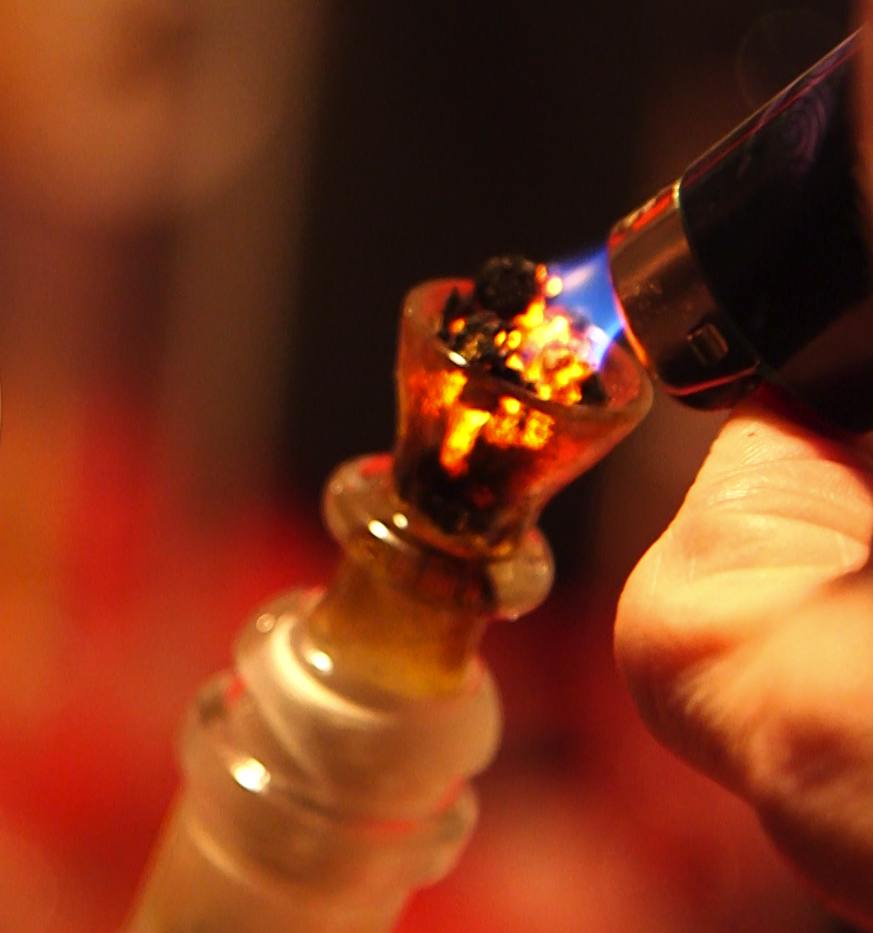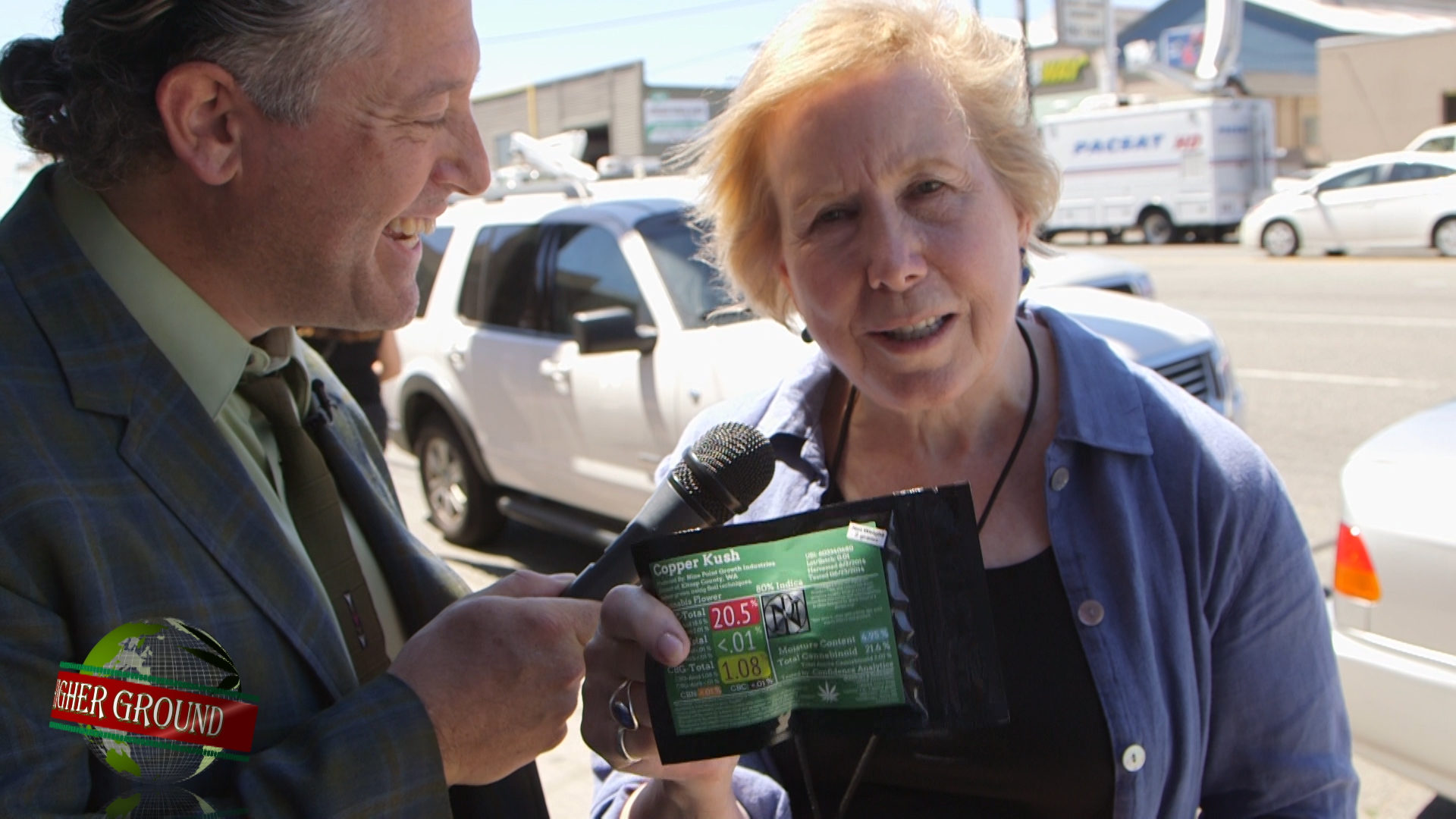
July 8th, 2016 marked the one-year anniversary of retail cannabis sales in the state of Washington, and while the implementation of I 502 has been a success on many levels, a recent change in cannabis laws regarding medical marijuana enacted during the last legislative session have mandated many radical and unpopular changes to the nation’s second oldest medical marijuana program … for an update on cannabis in Washington state CPM’s Brian Bahouth spoke with Michael Stusser, Seattle Weekly columnist and host of Higher Ground TV … listen to this mix of words and music …
About the Author
Michael is a journalist and filmmaker. His award-winning documentary, Sleeping with Siri is playing film festivals across the country. Stusser runs TechTimeout campaigns in high schools across the country, asking teenagers to give up their digital devices (for a little while) in order to find balance, and perhaps even make eye-contact with their parents.You Might also like
-
HERSHEY SUES EDIBLE MARIJUANA CO. OVER EDIBLES (AND REEFERS PEANUT BUTTER CUPS)
(Washington Post)
The Hershey Co. has filed a trademark suit against an edible marijuana company for selling weed-infused snacks with packaging that mimics some of Hershey’s signature candies.
In the lawsuit, filed last week in U.S. District Court in Denver, Hershey claims that the Colorado-based medical marijuana manufacturer Tincture Belle is selling products that look suspiciously like its Reese’s, Heath, Almond Joy and York Peppermint Pattie brands.
Not only are the products packaged in similar colors as the Hershey originals, the candy-making giant contends, their names are also reminiscent of their analogs: Hashees, Hasheath, Ganja Joy and Dabby Patty.
Hershey says that the packaging is not only a clear trademark violation, but also a safety risk to consumers — especially children — “who may not distinguish between Hershey’s candy products and defendants’ cannabis- and/or tetrahydrocannabinol-based products.”
Although recreational and medicinal marijuana sales are legal in Colorado, the burgeoning edible pot industry has raised some safety concerns.
In April, a Denver teen plunged off a balcony after eating six times the recommended amount of a marijuana brownie. And another man was accused of killing his wife in a hallucinatory episode after eating marijuana candy and rolling a joint, according to CBS News.
New York Times columnist Maureen Dowd’s own encounter with a caramel-chocolate flavored candy bar prompted her to argue in her column for greater regulation of the edibles industry.
It appears that Tincture Belle’s Web site and Facebook page are down. But according to the Associated Press, the products can be found in Colorado’s pot shops and medical marijuana dispensaries.
According to Tincture Belle, their pot products are gluten-free, vegan, sugar-free, GMO-free and peanut-free — although they do come with a hint of imitation.
(Thanks to Abby Philip for original post in Washington Post)
-
Never Fear, The Pot Will Appear: Everything You Need to Know About Washington’s Recreational Roll-Out
The moment in history has arrived – enabling citizens to walk into a store and LEGALLY buy a bag of marijuana! But hold on a sec…
If there’s any way you can wait a few days to buy your legal weed from a recreational store in Washington State, you should. Seattle’s first retail pot shop, Cannabis City, is going to be a mob-scene when the doors open at (high) noon – and then they’re gonna run out of marijuana. The same will be true with the other 23 stores given retail licenses by the state today.
Though Washington State made weed legal a year and a half ago with the passage of Initiative 502, it’s taken some time to fine-tune the details. State agencies have had to vet growers, deal with inspections (now there’s a fun job!), quarantine herb before it could be shipped, and grant licenses to retailers who then had to install security cameras, tinted windows, pot-tracking software(!) and hopefully a Slurpee machine! (Imagine if they ran these kinds of background checks for folks trying to buy firearms!)
Right off the bat, there will be extremely limited supplies for ganja, as only 79 growers got the permits (from over 7000 applications!), and most those harvests won’t come in until late this month. So if you were looking forward to the PowerPurpleKushBerryCrunch that won the Cannabis Cup, yer gonna be waiting a bit longer. But hey – all good things are worth waiting for – besides, that SuperChronicHydroponic stuff will put you on the couch for days on end. Moderation, man! Prices will start high (up to $400 an ounce – ouch), but like Teslas, Furby dolls and the Galaxy S5, come down over time. Besides, would you rather pay $25 for a legal gram, or go black-market style, potentially rooming in the tank with Big Bubba while funding Mexican cartels and an over-crowded and money-sucking prison system?
Oh – and those Reefer’s Peanut Butter cup brownies you were so excited to try – that ain’t gonna happen anytime soon either. No edibles have so far been given the green light in Washington, as the process for licensing kitchens has been painfully slow. (Part of the debate has been a good one, with lawmakers wishing to make sure THC-laden edibles and sodas are not targeted to kids and that labels are clear enough even for Maureen Dowd to understand.) While I like the idea of child-resistant packaging, it’s hard enough for non-stoned adults to open a damn aspirin bottle, so I do hope they don’t make things too difficult…
Within a month or so, things will be running as smooth as the cool-kids have it goin’ on in Colorado, with varied and plentiful products, and more tax dollars than ever to blow on items like roads, infrastructure, and, hopefully, drug education and teacher’s salaries. Unlike Colorado, a major hurdle in Washington that has never been addressed is the way medical marijuana dispensaries will be treated. As of now, the myriad of retail regs are not being applied to these long-standing dispensaries, causing hell and havoc for many card-carrying marijuana patients who are truly in need and benefit greatly from the medicinal uses of weed.
The good news for those who do have marijuana cards – the strange gray-area they currently reside in allows them to purchase edibles of all-kinds – including licorice chews, gourmet chocolates and marijuana-infused hard candies. Not that I’ve tried any…
When it comes to the marijuana movement, it’s important to keep the mellow in mind, and visualize the Big Picture. As of this very moment: two States have legalized weed, and 20 more are scheduled to vote on the issue in the next two years. Like marriage equality, it’s going to happen – we just need the naysayers, Bible-thumpers and right-wing fundamentalists to come to their senses or, more likely, succumb to the will of the people – and the democratic process.
-
New York Times Endorses Legalization
By THE EDITORIAL BOARD
It took 13 years for the United States to come to its senses and end Prohibition, 13 years in which people kept drinking, otherwise law-abiding citizens became criminals and crime syndicates arose and flourished. It has been more than 40 years since Congress passed the current ban on marijuana, inflicting great harm on society just to prohibit a substance far less dangerous than alcohol.
The federal government should repeal the ban on marijuana.
We reached that conclusion after a great deal of discussion among the members of The Times’s Editorial Board, inspired by a rapidly growing movement among the states to reform marijuana laws.
There are no perfect answers to people’s legitimate concerns about marijuana use. But neither are there such answers about tobacco or alcohol, and we believe that on every level — health effects, the impact on society and law-and-order issues — the balance falls squarely on the side of national legalization. That will put decisions on whether to allow recreational or medicinal production and use where it belongs — at the state level.
We considered whether it would be best for Washington to hold back while the states continued experimenting with legalizing medicinal uses of marijuana, reducing penalties, or even simply legalizing all use. Nearly three-quarters of the states have done one of these.
But that would leave their citizens vulnerable to the whims of whoever happens to be in the White House and chooses to enforce or not enforce the federal law.
The social costs of the marijuana laws are vast. There were 658,000 arrests for marijuana possession in 2012, according to F.B.I. figures, compared with 256,000 for cocaine, heroin and their derivatives. Even worse, the result is racist, falling disproportionately on young black men, ruining their lives and creating new generations of career criminals.
There is honest debate among scientists about the health effects of marijuana, but we believe that the evidence is overwhelming that addiction and dependence are relatively minor problems, especially compared with alcohol and tobacco. Moderate use of marijuana does not appear to pose a risk for otherwise healthy adults. Claims that marijuana is a gateway to more dangerous drugs are as fanciful as the “Reefer Madness” images of murder, rape and suicide.
There are legitimate concerns about marijuana on the development of adolescent brains. For that reason, we advocate the prohibition of sales to people under 21.
Creating systems for regulating manufacture, sale and marketing will be complex. But those problems are solvable, and would have long been dealt with had we as a nation not clung to the decision to make marijuana production and use a federal crime.
In coming days, we will publish articles by members of the Editorial Board and supplementary material that will examine these questions. We invite readers to offer their ideas, and we will report back on their responses, pro and con.
We recognize that this Congress is as unlikely to take action on marijuana as it has been on other big issues. But it is long past time to repeal this version of Prohibition.
http://www.nytimes.com/interactive/2014/07/27/opinion/sunday/high-time-marijuana-legalization.html?_r=3&smid=tw-share